INTER ACTION
DESIGNER
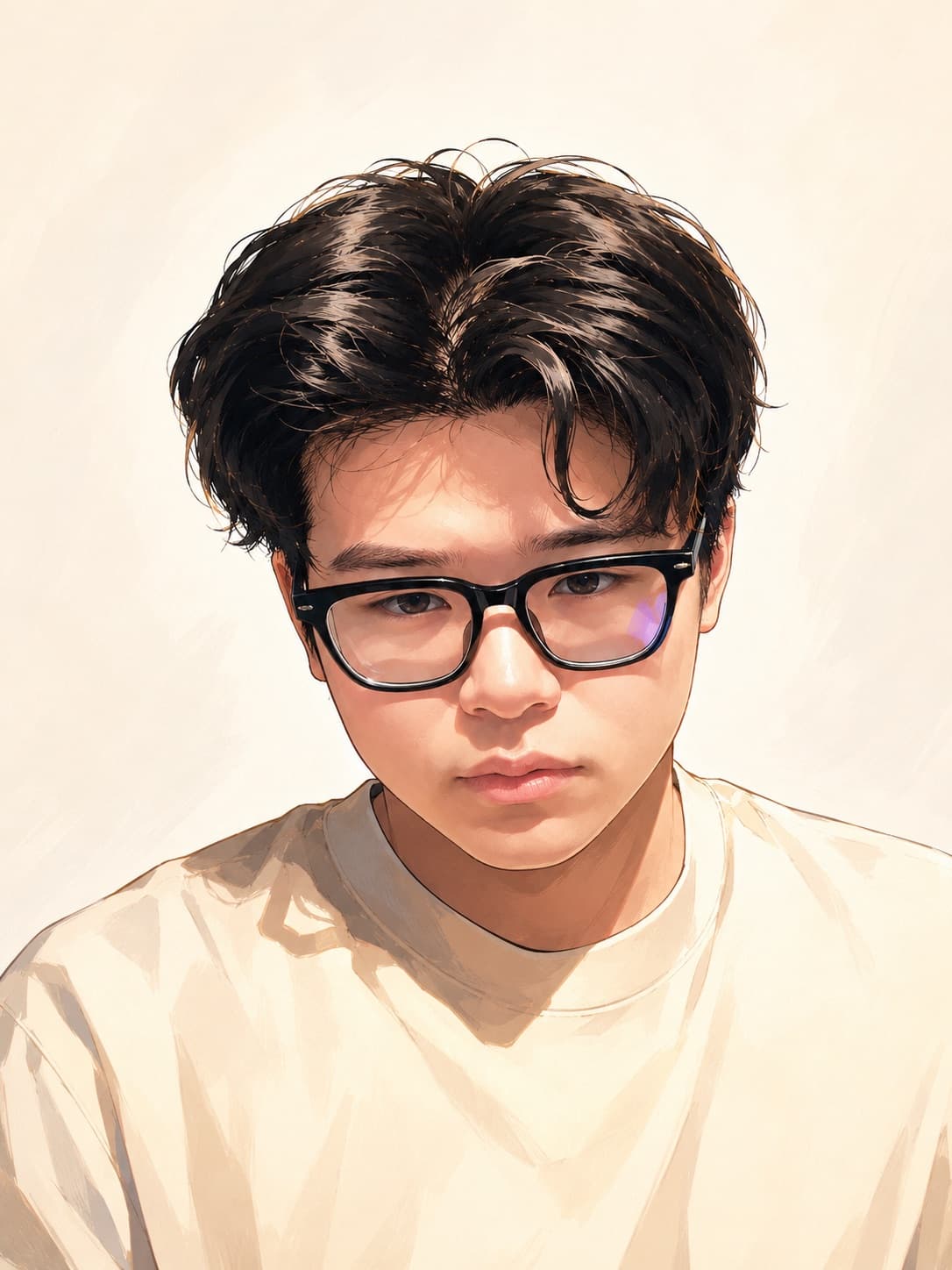
Hi, I’m Yijie. I design interactions, write code, and ship things that feel. This site is the short version of how I work — five chapters, scroll for the rest.
I work in four hands, and they take turns leading.
Some days I’m drawing. Some days I’m typing. Most days both. Here’s what each hand does and why I keep all four trained.
Because the first 10 seconds of using something is the whole conversation.
I do end-to-end product design — research, flows, wireframes, prototypes, and high-fidelity UI. My favorite part is the layer most people skip: the empty states, the loading moments, the error copy. That’s where products earn trust.
Every project started somewhere small.
Three projects below. Each has a story behind it — a moment of friction, frustration, or curiosity that turned into a thing worth designing.
I make twice. Once to learn it, once to keep it honest.
My favorite kind of project is the one I have to make twice — first as a sketch to understand it, then again as code to keep it from lying.
I think a lot about the silent contracts an interface signs with its user. The small promises that get broken when a button moves, when a tooltip forgets your last reply, when an animation outstays its welcome.
I move between Figma and a terminal without much ceremony. The boring tools are the most honest — a calendar, a clean monospaced text file, a margin of paper. Most of my best ideas show up on the BART.
When I’m not at my desk, I’m photographing typography in the wild, keeping long-form notes in Markdown, and looking for the one cafe in any new city that still respects an A4 sheet.
I write while I learn. You can read it before I’ve made up my mind.
Half-finished thoughts on design, code, and the gap between them. New entries land here once Phase Two of the site ships.
- InsightsApr 30, 2025
Five design trends that will define this year
Sober predictions, written down before the year ends — so we can audit how badly I missed.
Read on →
- TrendsApr 27, 2025
On streamlining the design workflow
Where the tools end and the practice begins — a short note on tempo, not tools.
Read on →